A single coin, no larger than a thumbnail, can outlast the empire that minted it. Fortune coins - those small, symbol-laden pieces often associated with luck, prosperity, and cultural tradition - have circulated through markets, temples, gift exchanges, and private collections for centuries, and they show no sign of losing relevance. Some are struck from base metal and sold for pocket change at festival stalls. Others are cast in gold, wrapped in mythology, and passed down as family heirlooms worth far more than their material value.
What makes these objects endure isn't superstition alone. Fortune coins sit at an unusual intersection of art, economics, and belief, which is exactly why collectors, gift-givers, and casual enthusiasts keep returning to them. Even outside physical collecting, the fortune coin motif has found a second life in modern entertainment - for instance, players exploring digital gaming platforms can find fortune coins features built into themed slot games, where the imagery of coins and prosperity is translated into interactive design. That crossover says something about how deeply the symbolism has embedded itself into popular culture.
This piece breaks down what fortune coins actually are, why people value them, how their designs evolved, and what a newcomer needs to know before starting a serious collection.
What Are Fortune Coins and Why They Matter
Fortune coins are coins - commemorative, ceremonial, or historically circulated - that carry symbols, inscriptions, or imagery associated with luck, wealth, longevity, or protection. They are not a single currency or a single culture's invention. Variants appear across Chinese, Japanese, Korean, Southeast Asian, and even Western traditions, each shaped by local beliefs about fortune and fate.
Defining the Term Across Cultures
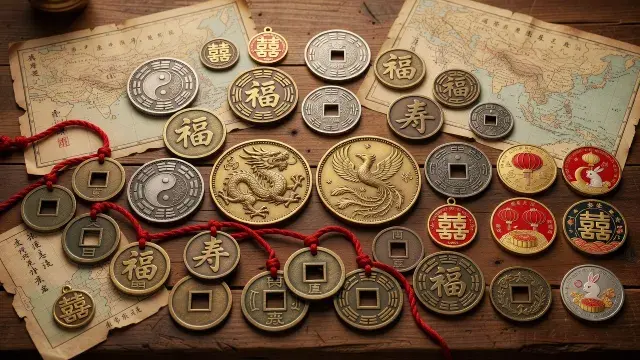
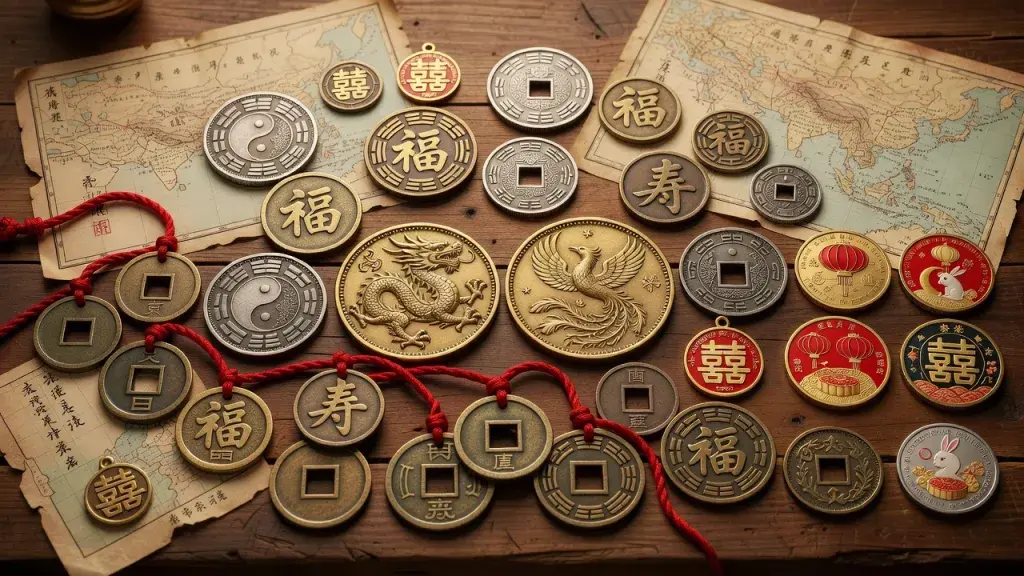
In Chinese tradition, coins with square holes strung on red thread are perhaps the most recognizable form, tied to feng shui practices and New Year celebrations. In other regions, fortune coins take the shape of tokens gifted at weddings or births, meant to bless the recipient with abundance. The common thread is intention: these are not ordinary currency meant purely for transaction.
Why People Still Value Them Today
Despite living in a largely cashless economy, people continue buying, gifting, and displaying fortune coins. The appeal isn't practical - it's symbolic and aesthetic. A coin placed in a wallet, hung above a doorway, or kept on a desk serves as a quiet, tactile reminder of intention, whether that intention is prosperity, protection, or simple nostalgia for tradition.
Fortune Coins Benefits
The appeal of fortune coins goes beyond decoration. Understanding the actual benefits - cultural, psychological, and financial - explains why the practice has persisted across generations rather than fading into obscurity.
Symbolic and Cultural Value
Fortune coins act as portable cultural artifacts. They carry stories, dynastic history, or religious symbolism in a form small enough to carry in a pocket. Gifting one often communicates goodwill more effectively than words, especially in cultures where verbal expressions of luck are considered less meaningful than a physical token.
Psychological Comfort and Ritual
Human beings respond well to ritual objects. A coin rubbed before a decision, kept in a specific drawer, or carried during travel provides a sense of control in uncertain situations. This isn't unique to fortune coins, but their design - often featuring dragons, phoenixes, or prosperity characters - reinforces the psychological association with positive outcomes.
Financial and Collectible Upside
Beyond sentiment, certain fortune coins hold genuine monetary value. Rare mint years, limited ceremonial issues, and coins tied to historical dynasties can appreciate significantly. Collectors who understand rarity and provenance sometimes treat fortune coins as a modest alternative asset, similar to how others approach rare stamps or antique jewelry.
- Cultural continuity passed through generations
- Psychological reassurance tied to ritual and symbolism
- Potential appreciation in value for rare or historic pieces
- Portability and ease of gifting compared to larger heirlooms
Fortune Coins History
To understand why fortune coins carry so much weight today, it helps to trace where the tradition began and how it spread.
Ancient Origins in East Asia
The earliest fortune coins trace back to ancient Chinese currency systems, where coins were cast with square center holes to allow stringing together for transport. Over time, certain coins - particularly those from prosperous dynasties - took on symbolic meaning beyond their monetary use. Emperors and scholars began associating specific coin designs with blessings of wealth and protection from misfortune.
Spread Through Trade and Migration
As trade routes expanded across Asia, the concept of the lucky coin traveled with merchants, diplomats, and immigrant communities. Japan and Korea developed their own variants, often incorporating local deities or seasonal symbolism. Later, as diaspora communities settled in new regions, fortune coins became a way to preserve cultural identity abroad.
Modern Revivals and Commercial Production
In the twentieth and twenty-first centuries, fortune coins shifted from purely ceremonial objects to commercially produced collectibles. Manufacturers began issuing themed coins for tourism, festivals, and gift markets. This commercialization broadened access - anyone, regardless of cultural background, could now own a piece styled after historical fortune coins.
Fortune Coin Designs
Design is where history, symbolism, and craftsmanship converge. Fortune coin designs are rarely arbitrary; nearly every element serves a symbolic purpose.
Traditional Symbols and Motifs
Dragons represent power and good fortune. Phoenixes symbolize renewal and balance. Chinese characters for wealth, longevity, and happiness are frequently engraved directly onto the coin's face. The square hole found in many traditional designs represents the meeting of heaven (round edge) and earth (square center), a cosmological concept rather than a purely functional detail.
Material Choices and Their Meaning
Gold-toned coins suggest prosperity and status, while copper and bronze variants often reference historical authenticity, since many original circulating coins were struck from these metals. Silver coins sometimes represent purity or protection. Material choice isn't just aesthetic - it often reflects the intended purpose of the coin, whether ceremonial, decorative, or collectible.
Contemporary and Fusion Designs
Modern producers frequently blend traditional motifs with contemporary aesthetics - minimalist typography, stylized animals, or region-specific adaptations for global markets. This fusion keeps the tradition relevant without abandoning its symbolic roots, appealing to younger collectors who want meaning without rigid traditionalism.
Fortune Coins Features
Beyond symbolism, fortune coins have measurable physical and design features that distinguish quality pieces from mass-produced novelties.
Physical Characteristics Worth Noting
Weight, edge detailing, strike clarity, and metal composition all affect both authenticity and value. A well-struck coin shows sharp, legible characters and consistent thickness. Poorly made replicas often have blurred engravings or inconsistent weight, a giveaway for anyone familiar with genuine pieces.
Authentication Markers
Serious collectors look for mint marks, dynasty-specific inscriptions, and consistent patina that matches the coin's claimed age. Reproduction coins, while sometimes valuable in their own right as decorative items, should never be sold or purchased under the pretense of historical authenticity.
Functional Versus Decorative Features
Some fortune coins are designed purely for display - larger, ornate, and impractical to carry. Others retain a more compact, wearable form meant for pockets, key chains, or jewelry. Knowing the intended use helps collectors choose pieces that match their purpose, whether that's investment, gifting, or personal ritual.
Fortune Coins Collection
Starting a fortune coins collection requires more than enthusiasm. A structured approach prevents costly mistakes and builds a collection with genuine coherence.
Setting a Focus for Your Collection
New collectors benefit from narrowing scope early - focusing on a specific dynasty, region, material, or design theme rather than acquiring random pieces. This focus makes research easier and helps establish expertise faster.
Where to Source Authentic Pieces
Reputable dealers, established auction houses, and verified numismatic societies remain the safest sources. Flea markets and informal online sellers can offer bargains, but they also carry higher risk of reproductions being sold as originals.
Storage, Care, and Preservation
Metal coins degrade differently depending on composition. Copper and bronze are prone to corrosion in humid environments, while gold resists tarnish almost entirely. Acid-free holders, controlled humidity, and avoiding direct handling with bare skin all extend a coin's condition and preserve resale value.
Building Long-Term Value
Documentation matters as much as the coin itself. Keeping records of provenance, purchase date, and condition assessments strengthens both the historical and financial value of a collection over time.
- Choose a clear collecting theme before buying
- Verify authenticity through reputable sources
- Store coins with material-appropriate preservation methods
- Maintain detailed provenance records
Frequently Asked Questions
Are fortune coins actually valuable, or just symbolic?
Both. Most fortune coins sold for gifting or decoration carry minimal monetary value, but rare historical pieces or limited ceremonial issues can be genuinely valuable to collectors. Value depends heavily on age, rarity, material, and documented provenance.
How can I tell if a fortune coin is a genuine antique or a modern reproduction?
Look at strike clarity, weight consistency, patina, and mint marks. Genuine antiques typically show natural wear patterns and material aging that reproductions struggle to replicate convincingly. When in doubt, consult a numismatic expert before purchasing.
What's the difference between a fortune coin and a regular commemorative coin?
Commemorative coins mark specific events or figures without necessarily carrying luck-based symbolism. Fortune coins are specifically designed or interpreted around themes of prosperity, protection, or blessing, often featuring traditional motifs like dragons or wealth characters.
Is it disrespectful to collect fortune coins from a culture that isn't my own?
Collecting itself isn't disrespectful, but understanding the cultural context behind the symbolism shows respect and deepens appreciation. Buying from culturally informed sellers and learning the history behind specific designs helps avoid superficial or misinformed collecting.
Do fortune coins need to be kept in pairs or specific numbers for symbolic reasons?
In some traditions, numbers do carry significance - certain quantities are considered luckier than others. However, this varies by culture and isn't a universal rule, so it's worth researching the specific tradition behind the coin rather than applying a blanket assumption.
Can beginners start a collection with a small budget?
Yes. Many modern, commercially produced fortune coins are affordable and widely available, making them a practical entry point. Beginners can start small, focus on learning authentication basics, and gradually invest in rarer pieces as their knowledge grows.