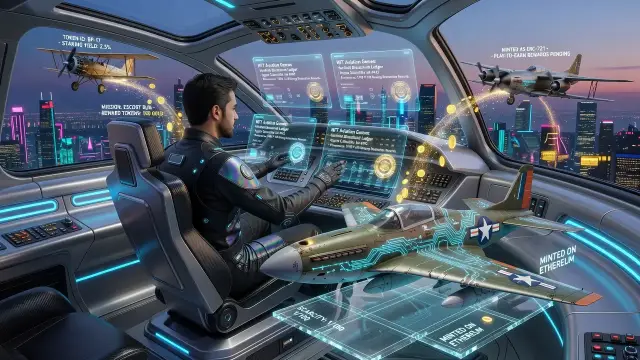
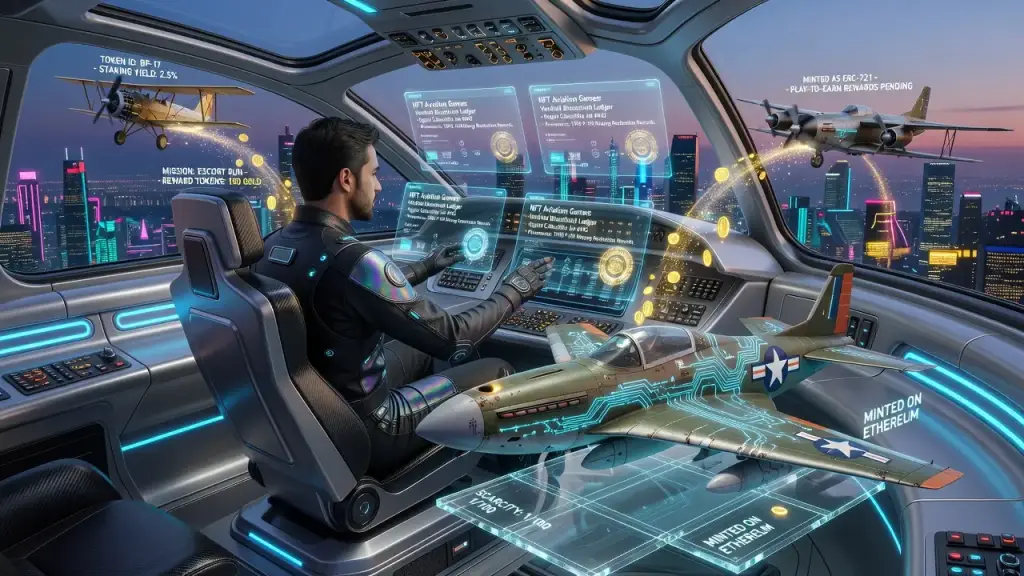
A single rare aircraft skin sold for the price of a used car last year, and the buyer never touched a real cockpit. That transaction happened inside a blockchain-based flight game, where ownership of a digital jet carries the same legal weight as owning a piece of art or a collectible watch. The market for these assets did not emerge from speculation alone - it grew out of a genuine appetite among gamers and collectors for provable scarcity, tradeable in-game items, and flying experiences that reward skill with real economic value.
This convergence of aviation simulation and blockchain technology has created a category of its own. A well-designed NFT aviation game blends the mechanical depth of a traditional flight sim with token-based ownership, letting players buy, sell, and upgrade aircraft the same way they would trade cards in a physical collection. Some platforms have simplified this further by wrapping the concept into fast, arcade-style formats - for readers curious what that looks like in practice, one accessible example sits here, offering a lighter entry point before committing to more complex simulators. Whether a player wants realism or quick sessions, the underlying appeal is the same: verified ownership and the chance to earn while playing.
What follows is a practical breakdown of how these games work, why digital aircraft collectibles carry real value, and what separates a durable Web3 aviation gaming project from a short-lived token grab.
What Makes an NFT Aviation Game Different From Traditional Flight Sims
Ownership Through Blockchain Verification
Traditional flight simulators store aircraft, liveries, and upgrades on centralized servers controlled entirely by the publisher. If the studio shuts down, everything disappears. An NFT aviation game inverts that arrangement. Each aircraft, part, or cosmetic item is minted as a token on a blockchain, meaning the record of ownership exists independently of any single company's servers. A player who buys a rare biplane skin holds a cryptographic certificate proving it belongs to them, transferable to any compatible wallet or marketplace.
Interoperability and Persistent Value
Because these assets live on public ledgers, some titles allow items to move between compatible games or marketplaces rather than staying locked inside one closed ecosystem. This is still an evolving practice, not a universal standard, but it represents a meaningful departure from how conventional games handle in-game purchases. A cosmetic jet skin bought today might retain resale value years later, something impossible in a traditional simulator where purchases vanish the moment a server closes.
Economic Incentives Built Into Gameplay
Conventional flight sims charge a fixed price and offer no return. Blockchain flight simulator titles frequently build in reward loops - completing routes, winning races, or maintaining aircraft can generate tokens with tradeable value. This shift transforms flying from a purely recreational activity into one with measurable financial stakes, which is precisely why the genre has attracted both aviation enthusiasts and crypto-native investors.
- Verified digital ownership recorded on-chain
- Potential for cross-platform asset use
- Reward systems tied to gameplay performance
- Resale markets independent of the original developer
How Play-to-Earn Flying Games Actually Work
Core Reward Mechanics
A play-to-earn flying game typically rewards players through a combination of in-game currency, achievement-based tokens, and rare item drops. Completing a cargo delivery mission, winning a timed race, or surviving a weather event might yield tokens that hold market value outside the game itself. The design intent is to make time spent flying translate into tangible reward, rather than existing purely for entertainment.
Staking and Aircraft Leasing Models
Several projects have introduced staking systems where players lock up tokens or aircraft NFTs to earn passive yield. Others allow asset owners to lease their planes to players who cannot afford one outright, splitting earnings between the owner and the pilot. This mirrors real-world aircraft leasing arrangements and gives newcomers a way to participate without large upfront investment.
Risks and Realistic Expectations
Token values fluctuate, and no play-to-earn flying game guarantees consistent income. Early adopters of popular titles sometimes profited substantially, but later entrants often found diminished returns as token supply increased and demand cooled. Treating these games as guaranteed income sources is a mistake; treating them as skill-based entertainment with a financial upside is a more accurate framing.
Digital Aircraft Collectibles: Value, Rarity, and Ownership
What Determines Rarity
Rarity in digital aircraft collectibles usually depends on a combination of factors: limited mint numbers, unique visual attributes, historical or fictional significance within the game's lore, and functional advantages like speed or fuel efficiency. A limited-edition warbird replica with only a few hundred units minted will command a different price than a mass-produced training aircraft available in the thousands.
Marketplaces and Trading Behavior
Most titles integrate directly with NFT marketplaces, letting players list aircraft for sale, place bids, or trade for other assets. Prices respond to the same forces seen in any collectibles market - scarcity, community sentiment, and the game's overall player base health all influence value. A title losing active players will typically see its aircraft floor price decline regardless of the item's original rarity.
Provenance and Historical Tracking
Every transaction involving a digital aircraft collectible is recorded permanently on the blockchain. This creates a verifiable ownership history, similar to provenance records used for physical art or vintage cars. Buyers can trace an asset's full transaction chain before purchasing, reducing the risk of counterfeit or duplicated items that plague less transparent digital marketplaces.
Building and Choosing a Blockchain Flight Simulator
Technical Foundations Developers Must Solve
Creating a blockchain flight simulator requires balancing realistic flight physics with the transaction speed limitations of the underlying blockchain. Minting and trading assets on-chain can introduce latency or fees that disrupt fast-paced gameplay, so developers often use layer-two solutions or sidechains to keep transactions cheap and quick without sacrificing the game's core simulation quality.
Evaluating Simulation Depth Versus Accessibility
Some titles aim for near-professional flight modeling, complete with detailed cockpit instruments and weather physics. Others prioritize accessibility, offering simplified controls so casual players can join without a steep learning curve. Neither approach is objectively superior; the right choice depends on whether a player wants immersive realism or fast, rewarding sessions.
Signs of a Well-Built Project
A trustworthy blockchain flight simulator typically has a transparent tokenomics model, an active development roadmap, and a community that can verify smart contract audits. Games lacking these elements, or relying purely on hype-driven marketing without functional gameplay, tend to collapse once initial investor interest fades.
- Published smart contract audits from reputable firms
- Clear token supply and distribution schedule
- Active, regularly updated development roadmap
- Functional gameplay demo available before major token sales
The Broader Web3 Aviation Gaming Ecosystem
Community Governance and DAOs
Many Web3 aviation gaming projects incorporate decentralized governance, letting token holders vote on future updates, new aircraft designs, or changes to reward structures. This gives players a direct stake in the game's direction, a structural difference from traditional gaming communities who can only submit feedback without binding influence.
Cross-Game Alliances and Shared Assets
A growing number of studios are exploring partnerships that allow aircraft or pilot identities to appear across multiple titles within the same ecosystem. While full interoperability remains technically challenging, these alliances signal a direction where digital aircraft collectibles could eventually function as portable identities rather than assets locked to a single game.
Regulatory and Market Considerations
Because these games involve tokens with real monetary value, they increasingly attract regulatory attention in jurisdictions examining whether certain in-game assets qualify as securities. Players and developers alike should stay aware of local regulations, since enforcement approaches vary significantly between countries and continue to evolve.
Getting Started as a Player
Setting Up a Wallet and Understanding Gas Fees
Entering an NFT aviation game requires a compatible cryptocurrency wallet capable of holding the relevant tokens and NFTs. New players should budget for transaction fees, commonly called gas fees, which vary depending on network congestion and the blockchain the game uses. Choosing a title built on a low-fee network can make frequent trading far more practical.
Evaluating a Game Before Investing
Before purchasing any aircraft NFT, it pays to research the development team's track record, read the smart contract audit if one exists, and observe whether the trading volume reflects genuine player activity rather than artificial inflation. A healthy secondary market with consistent, organic trading volume is a stronger signal than flashy marketing alone.
Managing Risk as a New Participant
Starting with smaller purchases, testing free-to-play modes where available, and avoiding assets priced far above the collection's floor price are sound practices for newcomers. Diversifying time across a few reputable titles rather than committing entirely to one unproven project also reduces exposure to a single point of failure.
Frequently Asked Questions
Do I need cryptocurrency knowledge before playing an NFT aviation game?
Basic familiarity with setting up a wallet and understanding gas fees is enough to start. Most platforms provide onboarding guides, though understanding how token value fluctuates will help you make better trading decisions once you own assets.
Can I lose money playing a play-to-earn flying game?
Yes. Token values can drop, aircraft NFTs can lose resale demand, and initial purchase costs are not guaranteed to be recovered. Treat any spending as a discretionary entertainment expense rather than a guaranteed investment.
Are digital aircraft collectibles taxed like other crypto assets?
In many jurisdictions, selling or trading an NFT for profit can trigger capital gains reporting requirements, similar to other cryptocurrency transactions. Rules differ by country, so checking local tax guidance before trading significant amounts is advisable.
How do I verify an aircraft NFT is genuinely rare?
Check the project's official smart contract address and view the total minted supply directly on the blockchain explorer rather than trusting marketing claims. Marketplaces often display rarity rankings, but cross-referencing with on-chain data confirms accuracy.
What happens to my aircraft if the game shuts down?
If the asset is a genuine NFT on a public blockchain, ownership technically persists even if the game's servers go offline, though the item may lose practical utility without a functioning game to use it in. Its resale value would also likely drop sharply without an active player base.
Is realism sacrificed for the sake of blockchain features?
Not necessarily. Some titles maintain detailed flight physics while integrating blockchain ownership in the background, keeping the simulation experience intact. Others prioritize simplified, fast-paced gameplay over realism, so checking gameplay demos before purchasing assets helps set accurate expectations.